DGAP home page (english version)Young ear of bearded wheatRoot nodule in Medicago sativaBunch of grapes

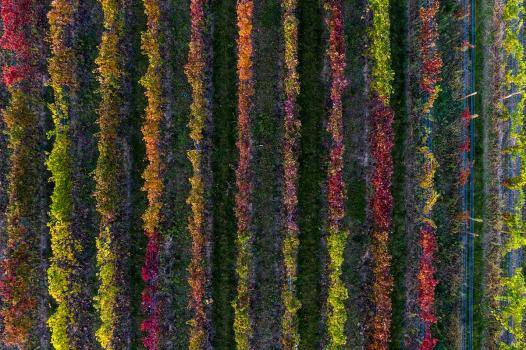
Bunches of grapes. H. LABRI Grapevine Manual removal of male and female vine inflorescences. A. BRONNERVineyard. G. PAILLARDYoung in vitro vine plant originating from cross between seedless varieties. Technique for saving embryos. A. BOUQUET

Presentation of research

Research on grapevine species conducted by the Plant Breeding and Genetics Department focuses on the analysis of the genetic diversity of the species and the genetic and molecular determinism of the traits of agronomic interest (berry quality, resistance to pests and pathogens, tolerance to different environmental constraints). The results are used for breeding innovative varieties of wine and table grapes.

In the field of genetic resource management, the group manages a collection of international renown, including more than 2500 varieties, as well as several collections of clones cultivated in the major production areas (from 100 to 450 clones, depending on the variety). These resources are well characterised from an ampelographic point of view and are under the process of being described from a molecular point of view. A large part of these resources constitutes the national collection of genetic resources of grapevine species (coordinated by the Bureau of Genetic Resources - BRG) and is accessible to the international community.

An inventory of the wild genetic resources present in nature for the Vitis vinifera species has recently been undertaken. And now the group is describing the genetic diversity of wild and cultivated compartments and is also studying gene flows between both compartments.

The genetic bases of the variation of the following traits are under study:

  • related to plant development: vigour conferred by the rootstock, bud specialisation, berry development
  • related to berry quality:
      • for wine grapes: phenolic compounds, aroma compounds and precursors and sugar/acid balance of berries
      • for table grapes: seedlessness, sugar content, muscat-like aroma in berries
  • the resistance to powdery and downy mildews
  • the resistance to nematode for rootstocks.

Gene involved into the variation of those traits are being mapped with the goal of developping molecular tools to improve the efficiency of breeding stategies.

A genomic programme has recently been set up in order to construct the specific resources for the study of the grapevine genome and in particuliar for the identification of genes and pathways involved in the above mentioned traits. This genomic program is coordinated with the International Grape Genome Program (www.vitaceae.org).

In parallel, the interaction between environment and genotype using clonal variation is under study. Others approaches are developed to resolve problems for which natural variation does not exit, like virus and wood disease resistances.

All these studies should allow the creation of innovative varieties in the coming years, more favourable to environment while maintaining high quality standards.


Number of researchers working on these species in the Department: 19

Contact: Didier MERDINOGLU and Anne-Françoise ADAM-BLONDON

Table of species
Common name
Botanical name
Key words
Research units
Vine
Vitis vinifera L.
Collection of genetic resources
Analysis and management of genetic diversity
Analysis of the genome and genomic resources
Berry quality
Resistance to pests and pathogens
Plant development

Genetics and physiology of reproduction

Production of new varieties
Rootstock
Vitis sp.
Resistance to pests and pathogens
Adaptation to environmental constraints
URL : www.inra.fr/gap
Copyright ©2002 INRA (all rights reserved)
Update : October 21, 2002
Contact us: webgap@epoisses.inra.fr