back to HYPP Zoology home page
.
.
.

Flax, Linseed


[R] Linum usitatissimum L. (Linaceae).
Fr: Lin; Ge: Flachs; Sp: Lino; It: Lino; Pt: Linho.
.
- Annual plant, 40 to 80 cm in height that is often found growing wild in fields and beside roads. The fruit is a capsule containing less than 10 seeds whose oil content varies from 35 to 45% (*) .
- It is cultivated either as a textile plant, for the fibres contained in the stem, or for its oleo-protinaceous seeds.
- Winter flax varieties, with their procumbent growth at the beginning of their development, are differentiated from spring flax varieties, that grow erect and are sensitive to cold.
- Textile flax has been cultivated in Europe since the Middle Ages, but has declined since the appearance of cotton, which, in turn, has been followed by synthetic fibers. The long stem is slightly branched at the top and is rich in fibres.
Planting occurs in spring; harvesting occurs by uprooting when the capsules are yellow-green. Retting permits decomposition of cements which bind the fibers.
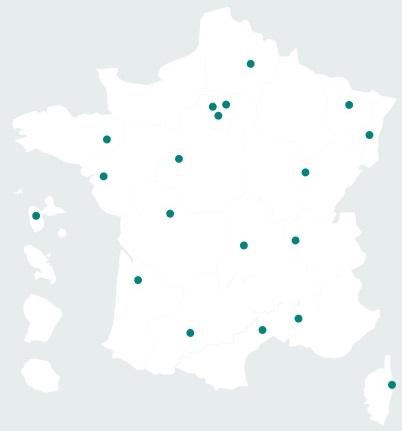
- Flax seeds produce an oil used for industrial purposes and are also used as animal feed. Sown in March, the oil-yielding flax is harvested when the seeds are mature, drying may be necessary. This crop is found in France and Great Britain (linseed).
.
- These two types of cultivation require weeding, particularly against grasses. Flax is sensitive to triazine herbicides and cannot, therefore, be planted after corn if these have been used; in addition, it is prone to lodging.
.
- Diseases: fungal diseases (in particular gray mold due to Botryris cinerea) are often related to an unhealthy plant. Good culture techniques are the best preventative measure.
.
- Principal European pests: the two most important pests are the large flax flea beetle, and the flax flea beetle, Longitarsus paryulus(Paykull) (Col., Chrysomelidae) that attack the seedlings as they emerge and Thrips: (Thrips angusticeps) and flax thrips (Thrips lini), whose bites cause deformations and discolourations to the top of the stem.
Among other pests, the starling (Sturnus vulgaris) and the wood pigeon (Columba palumbus) damage the seedlings and stems.

[R] Images

* Flax (Minost C.)
a: roots; b: stem (containing fibers); c: leaves entire, narrow; d: flowers blue, somewhat white, pink or violet, arranged in a biparous cyme; e: fruit (capsule) containing less than 10 seeds.


To read this page in French

HYPPZ on line: Species (scientific names), Pests (common names), Glossary, Crops.

HYP3 : HYPP Phytopathology.

back to HYPP Zoology home page